Princess Margaret Young Biography: The Royal Rebel Who Captivated the World

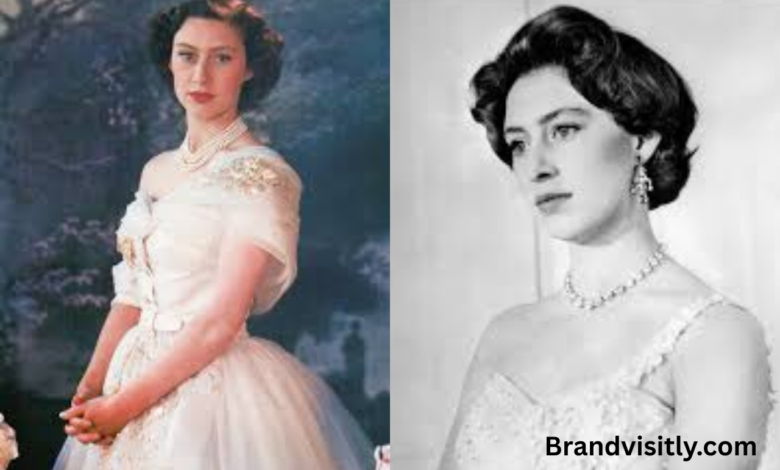
Princess Margaret remains one of the most fascinating and controversial figures in modern royal history. Elegant, charismatic, glamorous, and emotionally complex, she lived a life that constantly balanced royal responsibility with personal desire. While her older sister became one of the most respected monarchs in British history, Princess Margaret emerged as the royal family’s bold and unconventional figure — a woman whose life reflected both privilege and deep personal struggle.
Table of Contents
ToggleFor decades, the public followed every chapter of her story with endless fascination. Her romances, fashion choices, luxurious lifestyle, artistic interests, and emotional battles made headlines across the world. Unlike many royals who carefully maintained distance from public curiosity, Margaret’s life often felt intensely human. She experienced heartbreak, disappointment, loneliness, and pressure while living under the constant gaze of the media and royal institution.
Even years after her death, Princess Margaret continues to inspire books, documentaries, films, and discussions about the British monarchy. Her story speaks not only about royalty but also about identity, love, independence, and the emotional cost of living inside one of the world’s most traditional institutions. She became a cultural icon whose legacy still shapes conversations about modern royal life today.
Quick Facts About Princess Margaret
| Full Name | Princess Margaret Rose |
|---|---|
| Popular Name | Princess Margaret |
| Royal Title | Countess of Snowdon |
| Date of Birth | August 21, 1930 |
| Place of Birth | Glamis Castle, Scotland |
| Nationality | British |
| Profession | British Royal Family Member |
| Father | King George VI |
| Mother | Queen Elizabeth The Queen Mother |
| Sister | Queen Elizabeth II |
| Husband | Antony Armstrong-Jones |
| Children | David Armstrong-Jones, Lady Sarah Chatto |
| Religion | Church of England |
| Education | Private Royal Education |
| Known For | Royal Duties, Fashion, Arts Patronage |
| Estimated Net Worth | Several million dollars during her lifetime |
| Date of Death | February 9, 2002 |
| Age at Death | 71 Years Old |
| Social Media | None (Pre-social media era) |
Early Life and Royal Upbringing
Princess Margaret was born into one of the most famous families in the world, yet her childhood initially appeared surprisingly calm and private. She was born at Glamis Castle in Scotland, becoming the first senior British royal born in Scotland in centuries. Her parents, the Duke and Duchess of York, later became King George VI and Queen Elizabeth The Queen Mother. Margaret arrived into a loving household where family bonds were strong and affection was openly expressed.
From an early age, Margaret displayed a very different personality from her older sister Elizabeth. While Elizabeth was disciplined, serious, and naturally suited to leadership, Margaret was lively, emotional, artistic, and charming. Family members often described her as entertaining and full of humor. Her father adored her playful nature, and she quickly became known within royal circles for her confidence and sparkling personality. Those close to the family believed Margaret possessed natural charisma that made people instantly drawn to her.
Her life changed dramatically in 1936 after King Edward VIII abdicated the throne to marry Wallis Simpson. Margaret’s father unexpectedly became King George VI, and Princess Elizabeth became heir to the throne. Overnight, Margaret’s world transformed completely. Royal expectations intensified, public attention increased, and the young princess suddenly found herself growing up as the younger sister of the future queen. This role would shape her emotional life for decades to come.
Education and Personality Development
Unlike modern royals who often attend universities and prestigious schools, Princess Margaret received her education privately inside royal residences. She and Princess Elizabeth were taught by governesses under the supervision of their mother. Their studies focused on literature, history, religion, music, languages, and royal etiquette rather than traditional academic competition.
Margaret especially loved music and the arts from a young age. She learned piano as a child and developed a deep appreciation for opera, ballet, and theater. These artistic interests later became one of the defining parts of her public identity. She was naturally creative and emotionally expressive, qualities that often made her stand out in the more restrained royal environment. Her fascination with culture and entertainment gave her a modern image that appealed strongly to younger generations.
World War II also influenced her personality and worldview. During the war, Margaret and Elizabeth stayed mostly at Windsor Castle while Britain faced devastating attacks. Even though they were protected inside royal residences, they witnessed the emotional strain experienced by the country. These years strengthened family bonds but also increased public expectations surrounding the monarchy. Margaret learned early that royal life involved sacrifice, symbolism, and national responsibility.
Living in the Shadow of the Future Queen
Being the younger sister of Queen Elizabeth II created emotional challenges that followed Princess Margaret throughout her life. Historians often describe her as one of the earliest modern examples of the “royal spare” — someone born close to the throne but without a clearly defined constitutional role. While Elizabeth prepared for leadership, Margaret struggled to find her own purpose within the institution.
Despite these struggles, Margaret became incredibly popular during the 1950s and 1960s. She brought glamour, excitement, and personality into the royal family during a period when Britain was rebuilding after World War II. Newspapers and magazines closely followed her public appearances, fashion choices, hairstyles, jewelry, and social life. Her beauty and elegance made her one of the most photographed women in the world.
Unlike many royals of her era, Margaret embraced celebrity culture and artistic society. She attended fashionable events, mixed with actors and musicians, and developed friendships with influential figures from Britain’s creative world. Her lifestyle represented a more modern image of royalty. For many people, she symbolized sophistication, independence, and emotional honesty at a time when royal tradition often appeared rigid and distant.
The Famous Romance with Peter Townsend
One of the most emotional chapters in Princess Margaret’s life was her relationship with Group Captain Peter Townsend. Townsend was a respected Royal Air Force officer and royal aide who became very close to Margaret during the early 1950s. Their romance quickly attracted public attention because Townsend was divorced, something considered deeply controversial at the time within royal and religious circles.
The relationship created a constitutional crisis for the royal family. Because Queen Elizabeth II served as head of the Church of England, approving the marriage of her sister to a divorced man whose former wife was still alive became politically sensitive. Government officials, church leaders, and palace advisors all became involved in discussions about the future of the relationship.
Many members of the public sympathized with Margaret and believed she deserved the freedom to marry the man she loved. However, enormous institutional pressure eventually forced the relationship to end. In 1955, Margaret announced publicly that she would not marry Townsend. The decision devastated both of them and became one of the most heartbreaking royal love stories of the twentieth century. Many historians believe this emotional sacrifice deeply affected Margaret’s future relationships and emotional wellbeing.
Marriage to Antony Armstrong-Jones
In 1960, Princess Margaret surprised the world by announcing her engagement to photographer Antony Armstrong-Jones. Unlike traditional royal husbands from aristocratic backgrounds, Armstrong-Jones came from a creative and artistic environment. Their relationship immediately symbolized a more modern direction for the monarchy.
Their wedding became an international media event and was the first royal wedding broadcast on television worldwide. Millions of viewers watched as Margaret appeared in one of the most glamorous royal ceremonies of the era. After marriage, Antony Armstrong-Jones received the title Earl of Snowdon, and Margaret became Countess of Snowdon.
The couple had two children:
- David Armstrong-Jones
- Lady Sarah Chatto
During the early years of their marriage, Margaret and Antony appeared glamorous and sophisticated. They entertained celebrities, artists, designers, and intellectuals while traveling internationally and enjoying elite social circles. However, behind the scenes, the marriage gradually became troubled. Emotional tensions, public pressure, reported affairs, and personality differences eventually damaged the relationship. In 1978, their divorce became the first modern divorce involving a senior British royal, marking a major turning point in royal history.
Princess Margaret’s Love for Fashion and the Arts
Princess Margaret became one of the most stylish and fashionable women of her generation. Her clothing choices, jewelry collections, hairstyles, and public appearances regularly influenced trends throughout Britain and beyond. Fashion magazines closely followed her glamorous image, and designers admired her ability to combine royal elegance with modern sophistication.
Her famous Poltimore Tiara became one of the most iconic royal jewelry pieces ever associated with a British princess. Margaret wore it during her wedding and in several famous photographs that highlighted her bold personality and glamorous image. The tiara later became a symbol of her rebellious and fashionable reputation.
Beyond fashion, Margaret dedicated enormous energy toward supporting the arts. She served as patron for theaters, ballet companies, music organizations, charities, and cultural institutions. Her involvement helped strengthen the relationship between the monarchy and Britain’s creative industries. Artists, musicians, photographers, and performers often appreciated her genuine interest in culture and artistic expression. Her support gave prestige and public attention to many important artistic organizations.
Public Image, Media Attention, and Controversies
Princess Margaret lived much of her life under intense media attention. Newspapers often portrayed her as glamorous, rebellious, demanding, or emotionally unpredictable. Stories about her luxurious lifestyle, social gatherings, smoking habits, romances, and vacations frequently appeared in tabloids across the world.
Some critics believed Margaret behaved selfishly or irresponsibly, while supporters argued she was trapped inside a restrictive institution that limited her personal freedom. Royal experts later suggested that many of her emotional struggles came from constantly balancing public duty with private unhappiness. Unlike her sister, who embraced lifelong discipline and routine, Margaret often appeared frustrated by royal expectations and limitations.
Over time, public opinion toward Margaret became more sympathetic. Biographers and documentaries began exploring the emotional complexity behind her glamorous image. Instead of simply portraying her as a spoiled princess, historians increasingly described her as a sensitive and intelligent woman struggling to find identity and happiness within a rigid royal structure. Television series such as The Crown introduced her story to younger audiences and renewed global interest in her life.
Health Struggles and Final Years
Years of smoking and health complications seriously affected Princess Margaret later in life. By the 1980s and 1990s, she experienced several medical problems that gradually reduced her public appearances. She underwent lung surgery and later suffered multiple strokes that weakened her physically.
Despite declining health, Margaret continued participating in selected royal engagements and charitable activities whenever possible. Friends and family members noted that she remained sharp, witty, and socially charming even during difficult periods. However, her once glamorous and energetic public lifestyle became increasingly limited because of her physical condition.
Princess Margaret passed away on February 9, 2002, after suffering another stroke. She was 71 years old. Her death deeply affected the royal family, especially Queen Elizabeth II, who had shared a uniquely close bond with her only sibling throughout their lives. Public tributes described Margaret as charismatic, stylish, complicated, and unforgettable — a royal figure who brought emotion and individuality into the monarchy.
Net Worth and Luxurious Lifestyle
As a senior member of the British royal family, Princess Margaret enjoyed substantial financial privilege throughout her life. Her wealth came primarily from royal allowances, inheritance, property arrangements, gifts, and family assets connected to the monarchy. While exact figures remain uncertain, her estimated net worth during her later years was believed to be several million dollars.
Margaret’s lifestyle reflected traditional aristocratic luxury. She attended elite social events, traveled internationally, wore designer fashion, collected jewelry, and spent time in exclusive vacation destinations such as the Caribbean island of Mustique. Her social life frequently included celebrities, politicians, artists, and wealthy public figures.
At the same time, Margaret also devoted time and resources to charitable and artistic causes. She supported organizations connected to healthcare, children, music, theater, and the arts. Although critics sometimes focused heavily on her glamorous lifestyle, supporters pointed out her longstanding contributions to cultural institutions and charitable work throughout Britain.
Legacy and Influence on Modern Royal Culture
Princess Margaret’s influence on royal history remains enormous even decades after her death. She represented a transitional figure between traditional monarchy and modern celebrity culture. Her emotional openness, rebellious personality, and glamorous public image changed how many people viewed royalty during the twentieth century.
Modern discussions about royal independence, mental health, media pressure, and personal freedom often connect back to Margaret’s experiences. Many royal historians believe her struggles revealed the emotional challenges faced by individuals born inside highly structured institutions. Her story helped humanize the monarchy by showing that royal privilege did not protect someone from heartbreak or loneliness.
Today, Princess Margaret continues inspiring biographies, television portrayals, fashion exhibitions, documentaries, and historical studies. Younger audiences remain fascinated by her beauty, complexity, intelligence, and emotional vulnerability. As Princess Margaret paved the way for future generations of royals to express individuality and personal identity, her story stands as a reminder that resilience, passion, and authenticity can leave a lasting legacy even within the world’s most traditional institutions.