Members of Status Quo (Band): The Legendary Musicians Who Built a Rock Empire

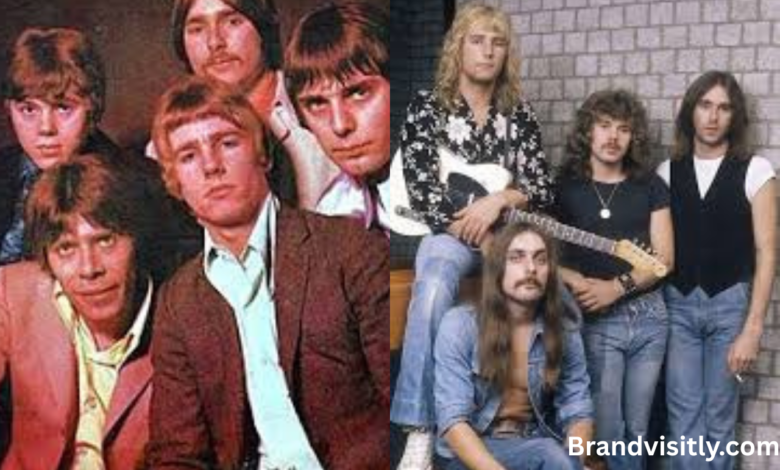
The story of Status Quo is one of passion, friendship, hard work, and pure rock and roll determination. For more than six decades, the British rock band became famous for their energetic guitar riffs, boogie-rock sound, unforgettable live performances, and timeless songs that continue to inspire music lovers around the world. While many bands faded away after a few years, Status Quo built a legacy that survived changing music trends, personal struggles, lineup changes, and even heartbreaking losses.
Table of Contents
ToggleWhat made Status Quo truly special was not only the music itself but the personalities behind it. Every member who joined the band added something unique to its identity. Some members became international rock legends, while others quietly shaped the sound behind the scenes. Together, they created one of the most successful and longest-running rock bands in British music history. From the classic “Frantic Four” lineup to the modern touring group, the members of Status Quo helped define generations of classic rock.
Fans often remember the group for songs like “Rockin’ All Over the World,” “Down Down,” “Caroline,” and “Whatever You Want,” but behind those hits lies a deeper story of friendship, ambition, creativity, and resilience. The members of Status Quo each experienced fame in different ways, and their journey reveals how dedication and teamwork can build a lasting musical legacy that continues to influence artists worldwide.
Quick Facts About Status Quo Members
| Facts | Details |
|---|---|
| Band Name | Status Quo |
| Founded | 1962 |
| Origin | London, England |
| Music Genres | Rock, Hard Rock, Boogie Rock |
| Founders | Francis Rossi and Alan Lancaster |
| Famous Classic Lineup | Francis Rossi, Rick Parfitt, Alan Lancaster, John Coghlan |
| Current Active Members | Francis Rossi, Andy Bown, John “Rhino” Edwards, Leon Cave, Richie Malone |
| Most Popular Songs | “Whatever You Want,” “Rockin’ All Over the World,” “Down Down,” “In the Army Now” |
| Years Active | 1962–Present |
| Total Record Sales | Over 100 million records worldwide |
| Famous Nickname | “The Frantic Four” |
| Official Website | https://www.statusquo.co.uk |
| https://www.instagram.com/statusquoband | |
| https://www.facebook.com/StatusQuoOfficial | |
| Estimated Combined Net Worth | Multi-million-dollar music empire |
The Early Formation of Status Quo
The origins of Status Quo began in South London during the early 1960s, long before the band became famous worldwide. Francis Rossi and Alan Lancaster were still students when they decided to start a music group together. Inspired by the growing British rock movement and the success of bands like The Beatles and The Rolling Stones, the young musicians dreamed of creating a sound of their own. Initially, the group performed under names like The Scorpions, The Spectres, and Traffic Jam before finally choosing the name Status Quo.
The early members included Francis Rossi on guitar and vocals, Alan Lancaster on bass, Jess Jaworski on keyboards, and Alan Key on drums. These musicians practiced endlessly, performed at local venues, and slowly built experience together. Their early sound leaned toward psychedelic rock, which was popular during the late 1960s. Songs like “Pictures of Matchstick Men” helped them gain international attention and introduced the band to audiences outside the United Kingdom.
Although success did not arrive overnight, the band’s determination remained strong. The members worked tirelessly, touring constantly and improving their stage performances. These difficult early years helped shape the hardworking identity that Status Quo would later become famous for. Unlike many bands that depended heavily on image or trends, Status Quo built their reputation through persistence, live performances, and a genuine connection with fans.
Francis Rossi – The Driving Force Behind Status Quo
Francis Rossi is widely recognized as the heart and soul of Status Quo. As one of the founding members, he remained the only constant figure throughout the band’s long history. His distinctive guitar playing, relaxed vocals, and charismatic stage presence helped create the sound that fans instantly recognized. Over time, Rossi became not only the frontman but also the leader who guided the band through changing decades of rock music.
Born in London to an Italian family, Rossi developed a love for music during childhood. Like many young musicians of the era, he was deeply inspired by the explosion of British rock and roll during the 1960s. However, what separated him from others was his incredible work ethic and dedication to live performance. Rossi understood that consistency and professionalism would keep the band alive even when musical trends changed around them.
Throughout the years, Rossi experienced both triumphs and struggles. He dealt with internal tensions inside the band, pressures from fame, and personal challenges related to the music industry. Yet despite everything, he continued performing and protecting the legacy of Status Quo. Even today, Francis Rossi remains respected as one of Britain’s most influential rock musicians and one of the last surviving links to the original era of classic rock.
Rick Parfitt – The Iconic Guitar Partner
Rick Parfitt joined Status Quo in 1967 and quickly became one of the most important members in the group’s history. His partnership with Francis Rossi created one of rock music’s most recognizable guitar duos. Together, they developed the energetic boogie-rock sound that would define Status Quo for decades. Parfitt’s rhythm guitar work, powerful vocals, and energetic personality made him a favorite among fans worldwide.
Parfitt’s life inside the band was filled with enormous success, but also personal challenges. Like many rock stars of his generation, he struggled with health problems and substance abuse during certain periods of his life. Despite these difficulties, he remained deeply committed to performing and entertaining audiences. His passion for live music was obvious every time he stepped onto the stage.
The friendship between Rossi and Parfitt was both powerful and complicated. They shared incredible musical chemistry but also experienced disagreements and tensions over the years. Even so, fans always saw them as the true face of Status Quo. After Parfitt passed away in 2016, the music world mourned the loss of one of rock’s most beloved performers. His influence continues to live on through the band’s music and the memories shared by millions of fans.
Alan Lancaster – The Powerful Bassist and Co-Founder
Alan Lancaster played a major role in shaping the classic Status Quo sound. As a founding member and bassist, he brought strength, attitude, and musical depth to the band’s rhythm section. Lancaster was also an important vocalist and songwriter whose contributions helped many of the group’s biggest songs become successful. His bass playing added power and groove to the band’s famous boogie-rock style.
During the 1970s, Lancaster became part of the legendary “Frantic Four” lineup alongside Rossi, Parfitt, and John Coghlan. Many fans still consider this period the greatest era in Status Quo history. Albums released during these years achieved huge commercial success, and the band became famous for energetic live shows filled with nonstop guitar-driven rock music.
Unfortunately, tensions eventually developed within the group, especially regarding musical direction and creative control. Lancaster later moved to Australia and left the band during the 1980s after legal disputes over the Status Quo name. Despite these conflicts, fans never forgot his importance to the group’s success. His reunion performances with the classic lineup during 2013 and 2014 were emotional moments for longtime supporters. Lancaster passed away in 2021, but his legacy remains deeply connected to the identity of Status Quo.
John Coghlan and the Legendary Rhythm Section
John Coghlan was another essential member of the famous “Frantic Four” lineup. As the band’s drummer, he helped create the driving rhythm and powerful live energy that made Status Quo stand out from other rock groups. His straightforward drumming style perfectly matched the band’s no-nonsense approach to rock music.
Coghlan joined the band during the early years and remained an important part of its rise to international success. His drumming became especially important during live performances, where the band’s fast-paced boogie-rock style required incredible stamina and consistency. Fans admired his ability to maintain strong rhythms during long concerts and extended jam sessions.
However, constant touring and internal disagreements eventually created tension within the band. Coghlan left in the early 1980s after frustrations during recording sessions reached a breaking point. Despite his departure, fans continued respecting his contributions to the group’s classic era. His later reunion with the band during the “Frantic Four” tours reminded audiences how important he had been to Status Quo’s golden years.
Other Important Members Who Strengthened the Band
Although the classic lineup receives most attention, many other musicians helped Status Quo continue evolving over the decades. Keyboardist Andy Bown became one of the band’s longest-serving members and added musical variety through keyboards, songwriting, and additional vocals. His work helped the band adapt during the 1980s and beyond.
John “Rhino” Edwards became another major figure after replacing Alan Lancaster on bass. Known for his energetic stage personality and musical versatility, Edwards helped keep the band active during later decades. Likewise, drummers such as Jeff Rich, Matt Letley, Pete Kircher, and Leon Cave each brought fresh energy and technical skill to the group during different eras.
After Rick Parfitt’s passing, guitarist Richie Malone joined the band and faced the difficult challenge of replacing a beloved rock legend. Malone approached the role with respect and professionalism, earning appreciation from fans who understood the emotional significance of stepping into such an iconic position. Together, these later members helped preserve the spirit of Status Quo while introducing subtle new influences into the music.
Musical Achievements and Worldwide Success
Status Quo became one of the most commercially successful rock bands in British history. Over the years, they sold more than 100 million records worldwide and achieved dozens of hit singles and albums. Songs like “Caroline,” “Down Down,” “Whatever You Want,” and “Rockin’ All Over the World” became classic rock anthems recognized across generations.
One of the reasons behind the band’s lasting success was consistency. While many artists constantly changed styles to follow trends, Status Quo remained loyal to their signature guitar-driven boogie-rock sound. Fans appreciated the honesty and reliability of their music. The band focused more on energetic performances and audience connection than flashy visual effects or gimmicks.
Another major reason for their success was their incredible touring schedule. Status Quo earned a reputation as one of the hardest-working live bands in the world. Their concerts became legendary for their energy, humor, and raw rock atmosphere. Even decades after their formation, the band continued attracting loyal audiences who admired their authenticity and dedication to live music.
Personal Lives, Challenges, and Relationships
Behind the fame and success, the members of Status Quo experienced many personal struggles and emotional challenges. Years of touring, recording, and performing created pressure within the group, leading to disagreements and complicated relationships between members. However, their shared history and deep friendships also kept them connected through difficult times.
Francis Rossi and Rick Parfitt shared one of the most famous partnerships in rock music, but their relationship was not always easy. Over time, tensions developed due to creative disagreements, personal lifestyles, and the stress of maintaining a successful band for decades. Even so, both musicians always acknowledged the unique chemistry they created together on stage.
Several members also openly discussed health struggles, addiction problems, and emotional difficulties connected to fame. Fans respected this honesty because it revealed the human side behind the rock star image. Despite the hardships, the members continued performing, creating music, and inspiring audiences around the world through their resilience and dedication.
Net Worth, Income Sources, and Business Success
The members of Status Quo built impressive financial success through decades of hard work in the music industry. Their wealth came from multiple income sources, including album sales, live concerts, merchandise, songwriting royalties, and music licensing deals. Because the band remained active for more than sixty years, many members accumulated substantial fortunes over time.
Francis Rossi became one of the wealthiest members due to his long-term role as frontman, songwriter, and guitarist. Rick Parfitt also earned considerable wealth before his death, thanks to touring income and songwriting royalties from major hits. Even today, classic Status Quo songs continue generating revenue through streaming services, radio play, and television licensing.
Unlike many bands that depended entirely on record sales, Status Quo benefited enormously from live performances. Touring remained the foundation of their financial success for decades. Their loyal fanbase continued attending concerts year after year, proving that the band’s popularity extended far beyond temporary music trends.
Social Media Presence and Modern Fan Connection
Even after decades in the music business, Status Quo continues maintaining a strong connection with fans through social media and digital platforms. The band regularly shares updates about tours, music releases, interviews, archive footage, and tributes to former members online. These platforms help preserve the band’s history while also introducing younger audiences to classic British rock music.
Social media has become especially important for honoring the memories of legendary members like Rick Parfitt and Alan Lancaster. Fans often share concert memories, vintage photographs, and emotional tributes celebrating the impact these musicians had on their lives. This ongoing online engagement proves how deeply Status Quo remains connected to generations of listeners.
The band’s official website and social channels also provide fans with merchandise, tour information, and behind-the-scenes content. In the modern digital age, these platforms allow Status Quo to remain relevant while continuing to celebrate the legacy built over more than six decades of rock history.
Conclusion
The members of Status Quo created far more than just a successful rock band. Together, they built a musical legacy based on loyalty, determination, hard work, and a genuine love for performing. From their humble beginnings in South London classrooms to becoming worldwide rock legends, their journey remains one of the most inspiring stories in British music history.
Every member contributed something valuable to the band’s identity. Francis Rossi provided leadership and consistency, Rick Parfitt brought charisma and unforgettable energy, Alan Lancaster added musical power and creativity, while John Coghlan delivered the driving rhythm that shaped the band’s classic sound. Later members continued protecting and expanding that legacy for new generations of fans.
As Status Quo continues influencing rock music and inspiring audiences around the world, their story stands as a reminder that passion, resilience, and teamwork can create something truly timeless. Their music continues to unite generations of listeners, proving that authentic rock and roll never loses its power.