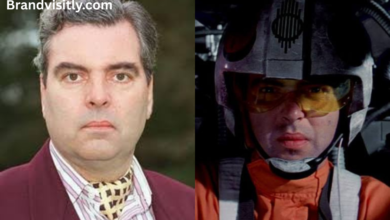
Desmond Cussen Biography: The Untold Story Behind One of Britain’s Most Controversial Crime Cases

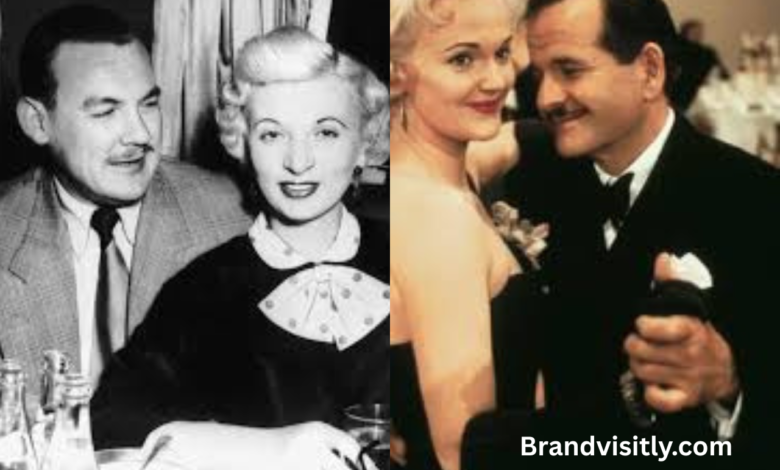
The name Desmond Cussen may not be instantly recognizable to everyone, but for historians, true-crime researchers, and followers of British legal history, he remains one of the most mysterious figures connected to one of the country’s most shocking murder trials. His life became permanently tied to the tragic story of Ruth Ellis, the last woman to be executed in the United Kingdom. Even decades after the events that changed British history forever, curiosity about Cussen continues to grow.
Table of Contents
ToggleUnlike celebrities who actively chase fame, Desmond Cussen lived mostly in silence. He never built a public image, gave major interviews, or attempted to tell his side of the story in newspapers or television appearances. Yet his connection to Ruth Ellis, his alleged involvement in the events leading to the death of racing driver David Blakely, and the unanswered questions surrounding the case have kept his name alive for generations. Modern documentaries, books, podcasts, and television dramas continue revisiting his role, trying to uncover the truth behind the quiet former RAF pilot who stood close to one of Britain’s darkest legal moments.
What makes Desmond Cussen such a fascinating historical figure is the combination of mystery, tragedy, and controversy surrounding his life. Some people view him as a loyal man deeply in love with Ruth Ellis. Others believe he may have played a much larger role in the murder case than authorities originally admitted. Regardless of opinion, his story remains a powerful reminder of how complicated human relationships can shape history in unexpected ways.
Desmond Cussen Quick Facts
| Full Name | Desmond E. Cussen |
|---|---|
| Known For | Connection to Ruth Ellis murder case |
| Profession | Accountant, former RAF pilot |
| Nationality | British |
| Birth Year | Reportedly 1923 |
| Birthplace | Surrey, England |
| Military Service | Royal Air Force |
| Famous Relationship | Ruth Ellis |
| Notable Historical Link | Last woman hanged in Britain |
| Residence Later in Life | Australia |
| Estimated Net Worth | Not publicly confirmed |
| Parents | Private family background |
| Siblings | No verified public records |
| Social Media | None |
| Popular TV Portrayal | A Cruel Love: The Ruth Ellis Story |
Early Life and Family Background
Very little officially verified information exists about Desmond Cussen’s childhood, which is one reason why historians continue to investigate his background. Most reports suggest that he was born into a financially comfortable family in Surrey, England, during the early 1920s. His family reportedly had business interests connected to the tobacco trade, allowing him to grow up in relatively stable surroundings during a period when Britain was still recovering from the First World War.
Researchers who later explored his life described him as someone who received a privileged education at an elite boarding school. According to historical investigations, Cussen attended a prestigious institution associated with wealthy British families and future professionals. Reports from archived school records portray him as athletic, disciplined, and highly competitive rather than academically exceptional. He reportedly participated in boxing, rugby, tennis, and military cadet training during his school years.
One of the most interesting details discovered about his early life involved his remarkable shooting abilities. Historical documents referenced by researchers described him as a skilled marksman during his youth. While this may have seemed insignificant at the time, the detail later became highly controversial because of the allegations surrounding the weapon used in the Ruth Ellis case. These discoveries added another layer of intrigue to the mystery surrounding his life and fueled ongoing debates among historians and legal experts.
Military Career and RAF Service
Like many young British men of his generation, Desmond Cussen’s early adulthood was heavily influenced by the Second World War. When war spread across Europe, thousands joined the British armed forces, and Cussen became part of the Royal Air Force. Historical accounts suggest he trained as a bomber pilot and flew Lancaster aircraft during wartime operations.
Serving in the RAF during World War II was an intense and dangerous experience. Bomber pilots faced enormous risks during missions over occupied Europe, and survival rates were often frighteningly low. Although detailed records of Cussen’s missions remain limited, historians believe the experience deeply shaped his personality. Military service likely strengthened his discipline, emotional control, and confidence while also exposing him to trauma and psychological stress common among wartime pilots.
After the war ended, Britain entered a period of rebuilding and social transformation. Like many veterans, Cussen transitioned into civilian life and sought a more stable career. He eventually moved into accountancy and reportedly became involved in his family’s tobacco business. Though his military career never made him famous publicly, the image of the former RAF pilot later became central to media portrayals of his life, especially in dramatizations related to the Ruth Ellis case.
Career and Professional Life
Following his military service, Desmond Cussen pursued a professional life that appeared respectable and financially secure. Historical records describe him as an accountant who worked within the family business, which operated in the wholesale and retail tobacco industry. His professional background reflected the lifestyle of many upper-middle-class British men during the postwar years.
Unlike entertainers, politicians, or public personalities, Cussen’s career itself was not widely discussed in newspapers or public circles. However, his business success allowed him to move comfortably within London’s fashionable social scene during the 1950s. This was a glamorous era in British nightlife, with elite clubs, bars, casinos, and restaurants attracting wealthy businessmen, racing drivers, celebrities, and socialites.
It was within this vibrant social world that Cussen’s life changed forever. His regular visits to London nightclubs eventually brought him into contact with Ruth Ellis, a striking nightclub hostess and manager who had become known for her beauty, confidence, and charm. Their meeting would place him at the center of one of Britain’s most controversial criminal cases and ensure that his name would remain part of legal history for decades.
Meeting Ruth Ellis and Their Relationship
Desmond Cussen met Ruth Ellis during the early 1950s while she was working in London’s nightlife industry. At the time, Ellis was already involved in a turbulent and emotionally destructive relationship with racing driver David Blakely. Their romance was marked by arguments, jealousy, emotional instability, and repeated violence.
Historical accounts suggest that Cussen quickly became emotionally attached to Ellis. Unlike Blakely, who was known for reckless behavior and heavy drinking, Cussen appeared more stable and financially secure. Many writers later portrayed him as a calm and dependable figure who genuinely cared for Ellis and wanted to protect her from the abuse she was experiencing. Ellis reportedly moved into Cussen’s apartment for a period, though her emotional attachment to Blakely continued.
The emotional triangle between Ellis, Blakely, and Cussen became increasingly complicated over time. Despite Blakely’s violent behavior, Ellis repeatedly returned to him, creating frustration and heartbreak for Cussen. Some historians believe Cussen became deeply resentful toward Blakely because of the emotional pain he caused Ellis. Others argue that Cussen himself may have developed obsessive feelings that complicated the situation even further. Regardless of interpretation, the relationship eventually became one of the most important factors in the tragedy that followed.
The Ruth Ellis Murder Case
On Easter Sunday in April 1955, Britain witnessed one of its most infamous crimes. Ruth Ellis confronted David Blakely outside the Magdala pub in Hampstead, London, and shot him multiple times with a revolver. The murder immediately became national news, shocking the public and dominating newspaper headlines across the country.
What made the case especially dramatic was Ellis’s refusal to deny her actions. During the trial, she openly admitted intending to kill Blakely. Under British law at the time, murder carried a mandatory death sentence, making conviction almost unavoidable. However, public sympathy for Ellis grew after details emerged about the physical and emotional abuse she had suffered during her relationship with Blakely. Reports described violent assaults, emotional manipulation, and even a miscarriage caused by one of his attacks.
Desmond Cussen became a central figure in the investigation because of allegations that he may have supplied the revolver used in the shooting and driven Ellis to search for Blakely that night. These claims were reportedly discussed privately before Ellis’s execution, though no charges were brought against Cussen. The controversy surrounding his alleged involvement has remained one of the biggest unanswered questions in British criminal history. Critics later argued that authorities failed to properly investigate his role, while others maintained there was insufficient evidence to accuse him formally.
Public Reaction and Media Controversy
The execution of Ruth Ellis created enormous public debate across Britain. Many people believed her punishment was too harsh, especially considering the abuse she had endured. The case became symbolic of larger discussions surrounding domestic violence, women’s rights, emotional trauma, and capital punishment. Over time, public anger over the case contributed to growing opposition toward the death penalty in Britain.
As the years passed, journalists and historians increasingly focused on Desmond Cussen’s role in the story. Because he remained silent and avoided publicity, speculation about him only intensified. Writers questioned why he was never prosecuted, why certain details were ignored during the investigation, and whether Ellis intentionally protected him during her trial.
Modern television dramas and documentaries have brought renewed attention to the case. The ITV drama A Cruel Love: The Ruth Ellis Story introduced Desmond Cussen to younger audiences and reignited public discussion about the mystery surrounding him. Actor Mark Stanley portrayed him in the series, presenting him as a complex figure caught between love, jealousy, guilt, and tragedy.
Personality, Lifestyle, and Private Nature
One reason Desmond Cussen remains such an intriguing historical figure is the lack of direct public statements from him. Unlike many people connected to famous criminal cases, he did not write memoirs, appear in documentaries, or actively defend himself in the media. This silence created an almost mysterious aura around his personality.
People who have researched the case often describe him as intelligent, emotionally intense, and disciplined. His military background likely contributed to his controlled personality and preference for privacy. However, some historians also believe he struggled with emotional jealousy and frustration because of Ruth Ellis’s inability to completely leave David Blakely behind.
After the events of 1955, Cussen reportedly left Britain and eventually settled in Australia, where he spent much of the remainder of his life away from public attention. By distancing himself from Britain, he may have hoped to escape the endless public fascination and controversy surrounding the Ellis case. Yet despite his efforts to remain private, public interest in him never truly disappeared.
Net Worth and Sources of Income
There are no officially verified figures regarding Desmond Cussen’s net worth, largely because he lived long before celebrity wealth tracking became common. However, historical sources indicate that he came from a financially comfortable family and maintained a stable lifestyle throughout adulthood.
His primary sources of income reportedly included his accountancy work and involvement in the family tobacco business. Unlike modern public figures, he did not earn money from television appearances, publishing deals, or social media influence. His lifestyle reflected the upper-middle-class standards of postwar Britain, including access to fashionable London social circles and exclusive clubs.
Although money was never the defining feature of his public image, financial security likely gave him social access to the nightlife world where he met Ruth Ellis. In many ways, his comfortable background sharply contrasted with the emotional chaos that later consumed his life.
Legacy and Historical Importance
Desmond Cussen’s historical legacy remains permanently linked to the story of Ruth Ellis and Britain’s changing attitudes toward justice and capital punishment. Even though he was never convicted of wrongdoing, his alleged role in the case continues attracting public curiosity and scholarly debate.
The Ruth Ellis case eventually became one of the most influential moments in Britain’s legal history. Public outrage surrounding her execution contributed to the growing movement against the death penalty, which was abolished several years later. Because of this, everyone connected to the case—including Desmond Cussen—became part of a larger national conversation about morality, fairness, and legal reform.
Several major questions about Cussen still remain unanswered today:
- Did he knowingly provide the murder weapon?
- Was he more deeply involved than authorities admitted?
- Why did Ruth Ellis protect him during her trial?
- Could the outcome have changed under modern legal standards?
These unresolved mysteries continue inspiring books, documentaries, podcasts, and television adaptations that revisit the case from new perspectives.
Conclusion
Desmond Cussen remains one of the most enigmatic figures in British criminal history. Though he never sought fame or public recognition, his relationship with Ruth Ellis placed him at the center of one of the nation’s most tragic and controversial legal cases. His life story is filled with unanswered questions, emotional complexity, and historical significance that continue fascinating audiences decades later.
From his privileged upbringing and RAF service to his quiet professional career and dramatic involvement in the Ruth Ellis tragedy, Cussen’s journey reflects the unpredictable ways personal relationships can influence history. His silence after the trial only deepened the mystery surrounding him, allowing historians and true-crime researchers to keep debating his role long after the events of 1955 faded into the past.
As modern audiences continue exploring the story of Ruth Ellis and the final years of capital punishment in Britain, Desmond Cussen remains an unforgettable figure connected to love, loss, secrecy, and controversy. His story serves as a reminder that history is rarely simple, and that behind every famous case are deeply human emotions capable of changing lives forever.