Jean Shrimpton Biography: The First Supermodel Who Changed Fashion Forever

Jean Shrimpton’s Rise to International Fame
Jean Shrimpton’s career accelerated at remarkable speed after she began working with photographer David Bailey in the early 1960s. Their creative partnership transformed not only their own careers but also the fashion industry itself. Bailey’s bold photographic style perfectly matched Shrimpton’s fresh, youthful appearance, and together they created images that became defining symbols of the Swinging London era. Fashion editors quickly recognized that she represented a new generation of beauty—natural, confident, and effortlessly modern.
Table of Contents
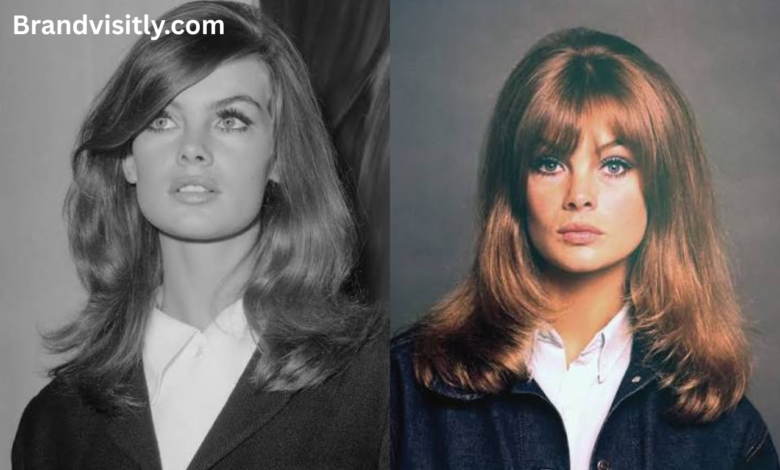
ToggleUnlike many of the glamorous models of the 1950s, Jean Shrimpton introduced a relaxed and approachable style that appealed to young women around the world. Her long straight hair, distinctive fringe, expressive blue eyes, and slim figure helped establish a completely new beauty standard. She soon became the face of leading fashion publications, appearing on the covers of prestigious magazines including Vogue, Harper’s Bazaar, Vanity Fair, Glamour, Elle, Newsweek, and Time. Her photographs influenced fashion photographers, designers, and aspiring models for decades to come.
By the mid-1960s, Jean Shrimpton had become one of the highest-paid and most photographed models in the world. The international media regularly described her as “The Face of the Sixties,” “The It Girl,” and one of the world’s very first supermodels. Her success helped elevate modeling from a relatively overlooked profession into a respected international career, inspiring future fashion icons such as Twiggy, who has openly acknowledged Shrimpton as one of her greatest inspirations.
Fashion Revolution and the Melbourne Miniskirt Moment
One of the defining moments of Jean Shrimpton’s career came in 1965 during her promotional visit to Australia. Invited to attend the prestigious Victoria Derby Carnival in Melbourne, she arrived wearing a simple white shift dress that ended several inches above the knee. Even more surprising for the conservative fashion standards of the time, she wore no gloves, stockings, or hat—accessories that were considered essential for women attending such elite social events.
Her appearance immediately became front-page news across Australia. Newspapers, television programs, and fashion critics debated her daring outfit, while thousands of young women admired her confidence and modern style. Although Jean herself later explained that she never intended to create controversy, her fashion choice is widely credited with helping popularize the miniskirt and accelerate changing attitudes toward women’s fashion throughout Australia and beyond.
Today, fashion historians often point to this event as one of the most influential moments in twentieth-century fashion. Rather than simply wearing a shorter dress, Jean Shrimpton symbolized a cultural shift toward youth, individuality, and freedom of expression. The Melbourne appearance remains one of the most memorable chapters in her remarkable career and continues to be referenced whenever discussions turn to iconic fashion moments of the 1960s.
Acting Career Beyond Modeling
Although modeling remained her greatest achievement, Jean Shrimpton also explored opportunities in acting. During the late 1960s and early 1970s, she appeared in several film productions, including Privilege (1967), where she acted alongside singer and actor Paul Jones. The film reflected many of the cultural themes that defined the decade, including celebrity, youth culture, and media influence.
She later appeared in Double Pisces, Scorpio Rising (1970), demonstrating her willingness to experiment with different creative projects. Although she never pursued acting with the same intensity as modeling, these performances showed another side of her artistic personality and helped broaden her public profile beyond fashion photography.
In 2012, Jean also served as a consultant for the BBC drama We’ll Take Manhattan, which dramatized her famous relationship and professional partnership with photographer David Bailey. The film introduced her extraordinary story to a new generation of viewers and highlighted the lasting cultural importance of her work.
Influence on Fashion and Popular Culture
Jean Shrimpton’s impact on fashion extends far beyond magazine covers. She helped redefine what it meant to be a fashion model by bringing authenticity, personality, and natural elegance to every photograph. Instead of appearing distant or overly glamorous, she projected confidence with simplicity, making high fashion feel more accessible to ordinary women.
Her signature appearance—including her soft fringe, long hair, wide eyes, and understated makeup—inspired countless designers, photographers, hairstylists, and makeup artists. Fashion trends associated with the Swinging London movement became global largely because models like Jean Shrimpton embodied the optimism and creativity of the era. Many of today’s editorial fashion styles continue to draw inspiration from photographs taken more than sixty years ago.
Her legacy has been formally recognized by leading fashion publications. In 2009, Harper’s Bazaar named Jean Shrimpton among the greatest models of all time, and in 2012, Time included her among the 100 most influential fashion icons since 1923. These honors reflect not only her extraordinary beauty but also her lasting contribution to the evolution of international fashion.
Personal Life, Relationships, and Life Beyond the Spotlight
Although Jean Shrimpton became one of the most recognizable faces in fashion history, she has always preferred a quiet and private life. During the height of her fame, she attracted enormous public attention, but unlike many celebrities, she never appeared to enjoy constant publicity. Friends and colleagues have often described her as thoughtful, intelligent, and reserved rather than attention-seeking. Even while she was appearing on the covers of the world’s biggest fashion magazines, she remained remarkably grounded and focused on living life on her own terms.
Her most famous relationship was with celebrated British photographer David Bailey. Their romance began shortly after they started working together in the early 1960s and quickly became one of the most talked-about relationships of the Swinging London era. Bailey’s groundbreaking photography and Jean’s natural beauty created some of the most iconic fashion images ever produced. Although their relationship ended after several years, both acknowledged the enormous influence they had on each other’s careers. Many fashion historians believe their partnership changed modern fashion photography forever.
Following her relationship with Bailey, Jean was involved with acclaimed actor Terence Stamp and later had relationships with photographer Terry O’Neill, writer Malcolm Richey, and poet Heathcote Williams. In 1979, she married photographer Michael Cox. The couple welcomed their son, Thaddeus, in the same year and built a peaceful family life far from London’s fashion scene. Their marriage marked the beginning of a completely different chapter, one centered on family, business, and the quiet beauty of Cornwall rather than celebrity culture.
Life in Cornwall and a New Chapter
Unlike many fashion legends who remain closely connected to the entertainment industry, Jean Shrimpton chose to step away from modeling while still relatively young. She settled in Penzance, Cornwall, where she and Michael Cox purchased the historic Abbey Hotel in 1979. Instead of attending glamorous fashion events, she devoted her time to running the hotel, welcoming guests, and enjoying a slower pace of life. Her decision surprised many people at the time, but it reflected her long-standing desire for privacy and independence.
Before becoming a hotel owner, Jean also explored other creative interests, including photography and antiques. She operated an antique shop in Cornwall and developed a passion for collecting artwork and historical objects. These pursuits revealed another side of her personality—one driven by curiosity, creativity, and appreciation for history rather than fame alone.
The Abbey Hotel became a family business for many years, eventually managed by her son and his family. In late 2023, reports indicated that the historic property had been placed on the market, marking the possible end of an era for one of Britain’s most famous former models. Despite this change, Jean has continued to maintain the private lifestyle she has cherished for decades.
Net Worth and Income Sources
Jean Shrimpton’s exact net worth has never been publicly confirmed, and estimates vary considerably. Most industry observers place her estimated wealth between $5 million and $10 million, although no official financial records have verified these figures. Any estimate should therefore be viewed as approximate rather than definitive.
Throughout her career, Jean earned income from several different sources. During the 1960s she was among the world’s highest-paid fashion models, commanding exceptional fees for magazine covers, advertising campaigns, and promotional appearances. She worked with many of the world’s leading fashion brands and photographers at a time when professional modeling was becoming an increasingly lucrative career.
After leaving modeling, her income came from operating the Abbey Hotel, previous investments, photography projects, book royalties from her autobiographies, licensing of photographs, and occasional media appearances. Rather than pursuing continuous commercial endorsements, Jean chose a quieter and more independent lifestyle, placing greater value on privacy than financial expansion.
Social Media Presence and Public Engagement
Unlike today’s fashion influencers, Jean Shrimpton has never built a personal presence on social media. She does not maintain verified public accounts on Instagram, X (formerly Twitter), Facebook, LinkedIn, or TikTok. Her absence from these platforms reflects her lifelong preference for privacy and her belief that personal life should remain separate from public attention.
Even without official social media profiles, Jean remains widely celebrated online. Fashion museums, modeling agencies, photographers, magazines, and fans regularly share archival photographs from her remarkable career. Vintage images of her continue to generate admiration from younger audiences who discover her timeless style decades after her peak modeling years.
Fashion publications continue to publish retrospectives highlighting her influence on beauty standards, editorial photography, and 1960s fashion culture. Designers frequently cite her classic style as inspiration, proving that her impact extends well beyond the era in which she first became famous.
Recent Updates and Lasting Legacy
Now in her eighties, Jean Shrimpton continues to be regarded as one of fashion history’s greatest icons. Although she rarely gives interviews or makes public appearances, interest in her remarkable career remains strong. Fashion documentaries, books, museum exhibitions, and magazine features continue to celebrate her extraordinary contribution to the modeling profession.
Her influence can be seen in almost every generation of fashion models that followed. The modern concept of the “supermodel” owes much to Jean’s success during the early 1960s. She demonstrated that a model could become an international cultural figure whose influence reached beyond clothing into photography, beauty, advertising, and popular culture. Today, her photographs remain some of the most recognizable images in fashion history.
Jean has shown that lasting success does not always require constant public attention. By choosing family life, personal fulfillment, and creative independence over endless fame, she created a legacy defined by authenticity rather than celebrity. Her remarkable journey—from a quiet girl growing up in Buckinghamshire to becoming the face of an entire generation—continues to inspire aspiring models, photographers, and fashion enthusiasts across the world.
Conclusion
Jean Shrimpton’s story is far more than the biography of a successful fashion model. It is the story of a woman who transformed an industry through natural beauty, quiet confidence, and effortless elegance. At a time when fashion was rapidly evolving, she became the symbol of a new generation and helped redefine modern beauty for millions of people around the world. Her groundbreaking collaborations, unforgettable magazine covers, and fearless sense of style continue to influence fashion more than six decades later.
Yet perhaps her greatest achievement lies in the life she built away from the cameras. By choosing privacy, family, creativity, and personal happiness over constant celebrity, Jean demonstrated that true success is measured not only by professional accomplishments but also by living according to one’s own values.
As Jean Shrimpton continues to inspire fashion lovers and creative professionals around the world, her remarkable journey serves as a powerful reminder that authenticity, resilience, and quiet confidence can leave a legacy that lasts for generations. Her life proves that true icons are remembered not simply for what they wore or how they looked, but for the lasting influence they leave on culture, creativity, and the people who follow in their footsteps.