Roy Hodges Biography: The Inspiring Journey, Career, Family, Net Worth, and Legacy of a Baseball Icon

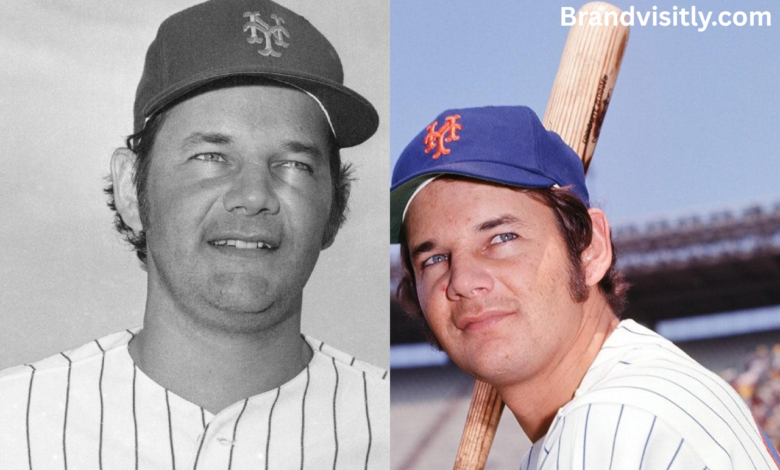
When people talk about loyal athletes who dedicated their lives to one team and earned respect through hard work rather than constant headlines, the name Roy Hodges often enters the conversation. Known more widely in baseball history as Ronald Wray Hodges, he built a remarkable career through persistence, discipline, and an unwavering commitment to the sport he loved. While many athletes chase fame, Hodges earned admiration through consistency, professionalism, and his deep connection to the game of baseball.
Table of Contents
ToggleHis story is not one of overnight success. Instead, it is the story of a talented young athlete who spent years proving himself, overcoming competition, and becoming an important part of one of Major League Baseball’s most recognized franchises. From his early days in Virginia to his long career with the New York Mets, Roy Hodges demonstrated the values of patience, resilience, and dedication. His journey continues to inspire sports fans who appreciate athletes that quietly leave a lasting impact.
Beyond baseball, Hodges was known as a family man, businessman, mentor, and respected figure in his community. His life shows that success is not always measured by headlines or awards but by the respect earned from teammates, fans, and loved ones throughout the years.
Roy Hodges Quick Facts
| Full Name | Ronald Wray Hodges |
|---|---|
| Known As | Roy Hodges |
| Date of Birth | June 22, 1949 |
| Birthplace | Rocky Mount, Virginia, United States |
| Nationality | American |
| Profession | Professional Baseball Player |
| Position | Catcher |
| Team | New York Mets |
| MLB Debut | June 13, 1973 |
| Retirement | 1984 |
| Marital Status | Married |
| Wife | Peggy Hodges |
| Children | Riley, Gray, Nat, and Casey |
| Net Worth | Estimated $1–3 Million (at the time of later life) |
| Religion | Not Publicly Confirmed |
| Education | Virginia Educational Background |
| Social Media | No Official Verified Social Media Accounts |
| Famous For | Long-time New York Mets Catcher |
| Death | November 24, 2023 |
Information is based on publicly available historical records and baseball archives.
Early Life and Family Background
Roy Hodges was born on June 22, 1949, in Rocky Mount, Virginia, a region known for its close-knit communities and strong appreciation for sports. Growing up in a small-town environment helped shape his humble personality and hardworking nature. Unlike many modern athletes who grow up in the spotlight, Hodges spent his childhood focusing on sports, school, and family values.
During his early years, baseball became an important part of his life. Like countless young American boys of his generation, he dreamed of playing professionally. His natural athletic ability quickly became evident, and he developed a reputation as a dedicated player willing to spend extra hours improving his skills. Those who knew him often recognized his determination long before he reached the major leagues.
His family played an important role in supporting his ambitions. The values of discipline, responsibility, and perseverance that he learned during childhood remained visible throughout his professional career. These principles would later help him navigate the challenges of professional sports and maintain a respected reputation both on and off the field.
Education and Athletic Development
Before becoming a professional baseball player, Roy Hodges focused on developing his athletic talents through local sports programs and competitive baseball opportunities. His school years provided him with valuable experience, allowing him to sharpen the skills that would eventually catch the attention of professional scouts.
One of the most interesting aspects of his journey was the amount of patience required before reaching Major League Baseball. Several organizations recognized his talent during the draft process. He was selected by multiple professional teams over the years, showing how highly scouts viewed his potential. However, his path to professional success involved important decisions about where and when to begin his baseball career.
Rather than rushing into the spotlight, Hodges continued developing his game and learning the fundamentals that would define his career. The catcher position requires intelligence, leadership, and strong communication skills, and those qualities became central to his growth as a player. His educational experiences and athletic training together prepared him for the demanding world of professional baseball.
Beginning of a Professional Baseball Career
Roy Hodges officially entered professional baseball after signing with the New York Mets organization. This moment marked the beginning of a journey that would ultimately span more than a decade in Major League Baseball. His early years in the minor leagues were filled with learning experiences, challenges, and opportunities to improve.
Like many young players, he faced competition from talented athletes all hoping to secure a place in the major leagues. Success required more than physical ability; it demanded mental toughness and patience. Hodges continued working on his defensive skills, game management, and ability to handle pitchers effectively.
His persistence eventually paid off when injuries within the Mets organization created an opportunity for him to make his major league debut. On June 13, 1973, he stepped onto a Major League Baseball field for the first time, achieving a dream that countless athletes spend their lives pursuing. The moment represented years of dedication and sacrifice finally coming together.
New York Mets Career and Rise to Recognition
The New York Mets became the only Major League Baseball team Roy Hodges would ever play for. In an era where players frequently changed teams, his loyalty to one organization made him a unique figure in professional baseball. His relationship with the Mets became one of the defining aspects of his career.
Although he was not always the team’s primary catcher, Hodges earned significant respect from teammates, coaches, and fans. He understood his role and consistently delivered dependable performances whenever called upon. His defensive abilities and understanding of the game made him a valuable asset behind the plate.
Over time, he became known as one of the most reliable backup catchers in baseball. While superstars often receive the majority of media attention, championship-caliber teams depend on players like Hodges who provide stability, leadership, and professionalism. His contributions helped strengthen the Mets organization throughout the 1970s and early 1980s.
Key Highlights of His MLB Career
- Major League debut in 1973.
- Spent his entire MLB career with the New York Mets.
- Appeared in more than 600 Major League games.
- Earned respect as a dependable catcher.
- Became a valued veteran presence within the organization.
Playing Style and Strengths
Roy Hodges was respected primarily for his defensive skills and ability to manage pitchers. Catchers occupy one of the most demanding positions in baseball because they serve as leaders on the field, helping coordinate defensive strategies and guide pitching performances.
One of his greatest strengths was reliability. Managers knew they could trust him to handle important situations without becoming overwhelmed by pressure. His calm demeanor helped create confidence among pitchers and teammates alike.
While his offensive statistics may not have generated national headlines, his overall contributions extended far beyond batting numbers. Many baseball experts emphasize that catchers influence games through leadership, communication, and preparation. Hodges excelled in these less visible areas, making him an important contributor throughout his career.
Challenges and Professional Obstacles
Every professional athlete faces obstacles, and Roy Hodges was no exception. Competing in Major League Baseball meant constantly fighting for playing time against talented teammates and rising prospects. Maintaining a roster spot year after year required exceptional dedication.
One challenge he encountered involved balancing personal ambitions with team needs. As a catcher often serving in a supporting role, he had to remain prepared even when opportunities were limited. That level of professionalism is difficult but essential for long-term success.
Another obstacle came from the physical demands of baseball itself. Catchers endure tremendous wear and tear throughout a season. The position requires strength, endurance, and resilience. Despite these challenges, Hodges remained committed to helping his team succeed and continued contributing throughout his lengthy career.
Personal Life and Family Relationships
Away from baseball, Roy Hodges was known as a devoted family man. He shared a long marriage with his wife, Peggy, and together they built a strong family foundation. Family remained one of the most important aspects of his life, even during the demanding years of professional sports.
The couple raised four sons: Riley, Gray, Nat, and Casey. Interestingly, all four of his sons went on to play college baseball, demonstrating the strong influence that sports had within the Hodges family. His passion for the game clearly extended beyond his own professional career and inspired the next generation.
Friends and colleagues often described him as approachable, grounded, and respectful. Unlike many public figures who become consumed by fame, Hodges maintained a reputation for humility. His personal relationships reflected the same values of loyalty and commitment that defined his professional life.
Life After Retirement
Following his retirement from Major League Baseball in 1984, Roy Hodges transitioned successfully into a new chapter of life. Many athletes struggle with life after sports, but he managed to establish a rewarding second career.
For approximately three decades, he worked in real estate in Virginia. His long-term involvement in the industry demonstrated the same work ethic and dedication that characterized his baseball career. Rather than relying solely on his athletic achievements, he continued building a productive and meaningful life after leaving professional sports.
Retirement also allowed him to spend more time with family and remain connected to his community. His ability to adapt and succeed beyond baseball serves as an important lesson for athletes facing career transitions. He showed that professional success can be followed by personal fulfillment and continued growth.
Net Worth and Sources of Income
Estimating Roy Hodges’ exact net worth is difficult because private financial details were never publicly disclosed. However, various sports and financial estimates suggest that his net worth likely ranged between $1 million and $3 million during his later years.
His wealth came from multiple sources rather than a single income stream. During his playing career, he earned salaries through Major League Baseball. Although player contracts during the 1970s and 1980s were significantly smaller than modern MLB deals, they still provided a strong financial foundation.
Additional income came through his lengthy real estate career. Working in property sales for many years allowed him to continue generating earnings long after his retirement from baseball. His financial journey reflects a balanced and responsible approach to career planning and long-term stability.
Major Income Sources
- Major League Baseball salary
- Real estate business
- Investments
- Public appearances and community engagements
Legacy in Baseball History
Roy Hodges may not always appear in discussions about baseball’s biggest superstars, but his legacy remains significant among New York Mets fans and baseball historians. Players like Hodges represent the foundation upon which successful teams are built.
His career serves as an example of professionalism and loyalty. Spending an entire Major League career with one franchise is increasingly rare in modern sports. That commitment helped strengthen his connection with fans and teammates throughout the years.
Baseball enthusiasts often appreciate athletes who prioritize teamwork over individual recognition. Hodges embodied that mindset. His contributions remind fans that success in sports often depends on dependable role players who consistently perform their responsibilities at a high level.
Final Years and Passing
In November 2023, the baseball community received the sad news of Roy Hodges’ passing. He died on November 24, 2023, at the age of 74. His death prompted tributes from former teammates, fans, and baseball organizations that recognized his contributions to the game.
Many remembered him not only for his accomplishments on the field but also for his kindness and professionalism off the field. The outpouring of respect following his passing highlighted the positive impact he had on those around him.
His legacy continues through his family, his baseball achievements, and the memories shared by generations of Mets supporters. The values he demonstrated throughout his life remain relevant long after his final game.
Conclusion
Roy Hodges’ life story is a powerful reminder that true success is built through consistency, perseverance, and character. From his humble beginnings in Virginia to his long-standing career with the New York Mets, he demonstrated what it means to stay committed to a goal while remaining grounded and respectful.
His journey was never solely about statistics or fame. It was about dedication to a craft, loyalty to a team, and devotion to family. Whether on the baseball field, in the real estate business, or within his community, Hodges approached every chapter of life with professionalism and integrity.
As Roy Hodges continues to inspire baseball fans and future generations, his story stands as a reminder that lasting success comes from hard work, resilience, and purpose. His legacy is not only found in baseball records but also in the lives he influenced, the family he cherished, and the example he set for those who believe that character matters just as much as achievement.