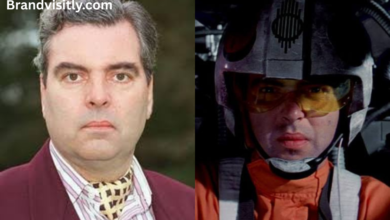
Chitty Chitty Bang Bang Child Catcher: The Terrifying Villain Who Became a Cinema Legend

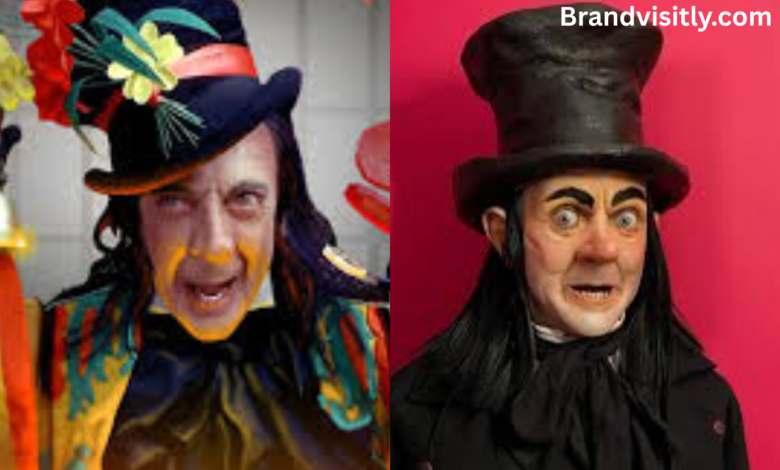
The Child Catcher from Chitty Chitty Bang Bang is one of the rare movie characters who managed to become more famous than many of the heroes around him. Even people who have not watched the film in years can instantly remember his frightening smile, black costume, strange voice, and terrifying wagon filled with candy. For generations of children, he was not simply a movie villain. He was a nightmare that felt real.
Unlike many family-film antagonists who are humorous or exaggerated, the Child Catcher created genuine fear. He appeared friendly at first, offering sweets and ice cream, but underneath that cheerful mask was a dangerous hunter whose mission was to capture children. That combination of charm and menace made him unforgettable and helped secure his place among the most iconic villains in movie history.
More than fifty years after the release of Chitty Chitty Bang Bang, the Child Catcher continues to fascinate audiences. Film historians, theater fans, and pop-culture enthusiasts still discuss the character, proving that great storytelling can survive across generations. His legacy remains powerful, and his influence can still be seen in modern fantasy films, stage productions, and discussions about the scariest characters ever created for children.
Quick Facts About the Child Catcher
| Information | Details |
|---|---|
| Character Name | Child Catcher |
| Movie | Chitty Chitty Bang Bang |
| First Appearance | 1968 Film |
| Portrayed By | Sir Robert Helpmann |
| Occupation | Child Hunter |
| Employer | Baron and Baroness Bomburst |
| Nationality | Vulgarian (fictional) |
| Creator | Created for the film adaptation |
| Original Book Appearance | No |
| Genre | Fantasy Musical |
| Famous For | Capturing children in Vulgaria |
| Movie Director | Ken Hughes |
| Screenplay Contributors | Roald Dahl and Ken Hughes |
| Character Status | Fictional Villain |
| Social Media | None |
| Net Worth | Not Applicable |
Who Is the Child Catcher?
The Child Catcher is a fictional villain from the 1968 fantasy musical Chitty Chitty Bang Bang. He serves the rulers of Vulgaria, Baron Bomburst and Baroness Bomburst, who have banned children from their kingdom. His role is simple but terrifying: locate children, capture them, and lock them away in prison.
Although he appears for a relatively short amount of time in the film, his presence dominates the story. The moment he arrives on screen, the atmosphere changes. The colorful fantasy world suddenly feels dangerous, and viewers understand that the young characters are facing a serious threat. His scenes remain some of the most memorable moments in the entire movie.
What makes the Child Catcher unique is that he is not a traditional villain seeking power or wealth. Instead, he exists purely as a hunter of children. His frightening purpose, combined with his disturbing appearance and behavior, transformed him into one of cinema’s most unforgettable antagonists. Even decades later, audiences continue discussing the character and the fear he inspired.
The Origins of the Child Catcher Character
One of the most surprising facts about the Child Catcher is that he was never part of Ian Fleming’s original novel. Fleming’s book focused on the magical adventures of the Pott family and their extraordinary car, but the infamous villain did not exist in the source material. The character was created specifically for the movie adaptation.
There has been ongoing debate regarding who actually invented the Child Catcher. Many people credit famous author Roald Dahl, who worked on the screenplay. Others believe director Ken Hughes was responsible for creating the character after making major changes to the script. Regardless of who deserves the credit, their creative decision dramatically changed the film.
The addition of the Child Catcher gave the movie an entirely new layer of suspense. Without him, the story would have remained a whimsical family adventure. His presence introduced fear, tension, and urgency, helping create a more emotionally engaging experience for audiences. That creative risk ultimately paid off and produced one of the most famous villains in children’s entertainment.
Sir Robert Helpmann: The Man Behind the Mask
The actor who brought the Child Catcher to life was Sir Robert Helpmann, an Australian performer with an extraordinary career in theater, ballet, film, and choreography. Long before appearing in Chitty Chitty Bang Bang, Helpmann had already earned international recognition for his artistic achievements.
Born in South Australia, Helpmann developed a passion for performance at an early age. His dedication to dance and acting helped him rise through the entertainment world, eventually becoming one of the most respected figures in the performing arts. His career included Shakespeare productions, ballet performances, directing work, and film appearances.
His experience as a dancer proved incredibly valuable when creating the Child Catcher. Helpmann used precise movements, exaggerated gestures, and theatrical expressions to make the character feel unsettling. Every step, smile, and glance was carefully controlled. This attention to detail transformed a supporting role into one of the most memorable villain performances in film history.
Robert Helpmann’s Early Life and Artistic Journey
Robert Helpmann was born in 1909 and spent much of his early life developing his artistic talents. Unlike many film actors, he first became famous through dance. His commitment to ballet allowed him to build a reputation as a performer with remarkable discipline and creativity.
As his career expanded, he moved beyond dance and began exploring acting and directing. He performed in numerous theatrical productions and gained recognition for his versatility. Whether performing Shakespeare, directing operas, or creating ballets, Helpmann consistently demonstrated an impressive range of artistic skills.
These experiences prepared him perfectly for complex character roles. When he eventually accepted the role of the Child Catcher, he possessed decades of experience in physical storytelling. This background helped him create a villain whose movements alone could make audiences uncomfortable and frightened.
Why the Child Catcher Was So Frightening
The Child Catcher frightened audiences because he represented a realistic fear. Many children are taught to be cautious of strangers offering candy or gifts. The Child Catcher used exactly that tactic. He appeared friendly on the surface while hiding dangerous intentions beneath his cheerful behavior.
His appearance also played a major role in creating fear. The black coat, unusual hat, long nose, pale face, and eerie grin made him instantly recognizable. Unlike many villains who rely on physical violence, the Child Catcher relied on psychological discomfort. Viewers felt uneasy simply watching him walk through the streets searching for children.
Perhaps most importantly, the Child Catcher seemed unstoppable. He moved with confidence and appeared completely dedicated to his mission. There was no humor in his work and no visible weakness in his personality. This sense of relentless determination made him feel more dangerous than many traditional movie villains.
The Role of the Child Catcher in Chitty Chitty Bang Bang
Within the story, the Child Catcher serves as the enforcement arm of Baron and Baroness Bomburst’s anti-child laws. After learning that children have entered Vulgaria, the rulers send him to hunt them down and remove them from society. His mission creates one of the central conflicts in the film.
The character eventually captures Jeremy and Jemima, increasing the emotional stakes for the heroes. This moment forces the main characters to take action and develop a plan to rescue the children while overthrowing the oppressive rulers. His actions directly influence the story’s most dramatic events.
Although his screen time is limited, the Child Catcher’s importance to the plot is enormous. He provides the threat that drives the adventure forward and creates the sense of danger that keeps audiences emotionally invested in the story.
Behind the Scenes: The Real Robert Helpmann
One of the most fascinating aspects of the Child Catcher story is how different Robert Helpmann was from the character he portrayed. Cast members often described him as warm, friendly, and gentle. According to people who worked on the film, he was especially kind toward the child actors.
Heather Ripley, who played Jemima, later recalled that Helpmann was one of the least frightening people she had ever met. This contrast between actor and character highlights his remarkable talent. He was able to create genuine fear on screen while remaining a pleasant and supportive colleague behind the scenes.
Stories from the production reveal that Helpmann approached the role with professionalism and enthusiasm. His commitment to performance allowed him to create a villain who felt larger than life while still fitting naturally within the fantasy world of the film.
Cultural Impact and Global Recognition
Few children’s movie villains have achieved the same level of cultural recognition as the Child Catcher. Decades after the film’s release, he remains a popular subject in articles, rankings, and discussions about memorable movie antagonists. His image continues to appear in retrospectives about classic cinema.
In 2005, the Child Catcher was voted one of the scariest villains in children’s fiction. Entertainment publications have repeatedly included him on lists celebrating cinema’s most disturbing and unforgettable bad guys. Such recognition demonstrates the lasting power of the character.
His popularity extends beyond film enthusiasts. Many adults who watched Chitty Chitty Bang Bang as children still remember feeling frightened whenever he appeared. This emotional connection has helped preserve his reputation across multiple generations of viewers.
Stage Adaptations and New Generations
The success of Chitty Chitty Bang Bang eventually inspired major stage adaptations around the world. These productions introduced the Child Catcher to entirely new audiences who may never have seen the original film.
Numerous actors have taken on the role over the years. Each performer has attempted to honor Robert Helpmann’s original portrayal while bringing new ideas and energy to the character. Some emphasized theatrical horror, while others focused on dark comedy and suspense.
Theater audiences continue responding strongly to the character. Reviews frequently mention that the Child Catcher remains one of the most effective villains in live family entertainment. Even in modern productions, he retains the ability to surprise and unsettle viewers.
Controversies and Modern Discussions
As society has become more willing to reexamine older films, some critics have analyzed aspects of the Child Catcher’s design and symbolism. Certain commentators have suggested that elements of the character’s appearance resemble harmful stereotypes that deserve discussion.
These conversations have become part of broader debates about classic films and the cultural influences present during their creation. Some viewers interpret the character differently today than audiences did in 1968, leading to ongoing analysis and debate.
Despite these discussions, the Child Catcher remains a significant figure in movie history. Film scholars often examine both the character’s effectiveness as a villain and the larger cultural context surrounding his creation. This continued attention shows how influential fictional characters can remain long after their original release.
Net Worth, Commercial Success, and Legacy
Because the Child Catcher is a fictional character, he does not possess a personal net worth. However, the success of Chitty Chitty Bang Bang has generated revenue through television broadcasts, streaming platforms, stage productions, merchandise, and home entertainment releases for decades.
The character has become one of the film’s strongest marketing symbols. Posters, collectibles, costumes, and fan-created artwork frequently feature the Child Catcher because of his instantly recognizable appearance. His popularity continues contributing to the film’s lasting commercial appeal.
Robert Helpmann’s own artistic legacy extends far beyond this role, but the Child Catcher remains one of his most widely recognized performances. New generations continue discovering his work through the enduring popularity of the film.
Social Media Presence and Online Popularity
Although the Child Catcher is a fictional character and has no official social media accounts, his online popularity remains surprisingly strong. Clips from the film regularly appear on YouTube, TikTok, Instagram, and Facebook, where viewers share memories of being frightened by the character.
Online communities frequently discuss whether the Child Catcher deserves recognition as the scariest villain in family-film history. Fans analyze his scenes, quote his dialogue, and compare him with other famous antagonists from children’s entertainment.
Social media has introduced the character to audiences who were born decades after the movie’s original release. This digital exposure has helped preserve his relevance and expand his fan base far beyond those who watched the film during its initial run.
Recent Interest and Lasting Influence
Nostalgia for classic family films has increased significantly in recent years. As a result, Chitty Chitty Bang Bang has enjoyed renewed attention from both longtime fans and younger viewers discovering it for the first time. The Child Catcher remains one of the most discussed aspects of the movie.
Film critics and content creators continue producing articles and videos exploring why the character remains so effective. Many argue that modern special effects cannot easily replicate the unsettling atmosphere created by Helpmann’s performance and the character’s unique design.
The Child Catcher’s influence can also be seen in later fantasy villains who combine charm with menace. His legacy demonstrates how memorable storytelling and powerful acting can create a character that survives long after the original film has faded from popular conversation.
Conclusion
The Child Catcher remains one of the most extraordinary villains ever created for family entertainment. Through a combination of brilliant writing, unforgettable visual design, and Sir Robert Helpmann’s remarkable performance, the character became far more than a supporting antagonist. He evolved into a cultural icon whose influence continues decades after his first appearance.
His story demonstrates the power of imaginative filmmaking and character creation. Despite appearing for only a short portion of the film, the Child Catcher left a stronger impression on audiences than many characters who occupied far more screen time. His ability to inspire fear, fascination, and discussion is a testament to the creativity behind his creation.
As the legacy of the Child Catcher continues to reach new generations, his journey stands as a reminder that truly unforgettable characters never disappear. They live on through stories, memories, performances, and the emotions they create. The Child Catcher remains proof that great villains can become timeless legends, inspiring audiences to appreciate the artistry, passion, and imagination that shape cinematic history.