Nicholas Dimbleby Biography: The Artistic Soul of Britain’s Famous Dimbleby Family

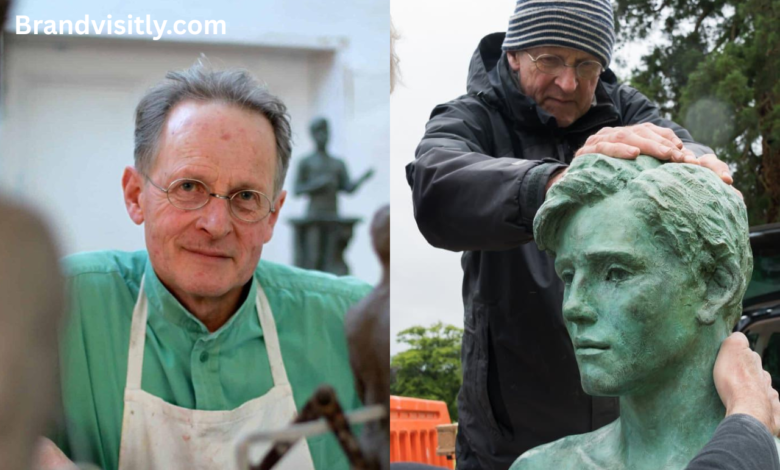
When people hear the name “Dimbleby,” they often think about legendary broadcasting, political interviews, and iconic BBC journalism. The Dimbleby family has shaped British media for generations, producing some of the country’s most respected television presenters and commentators. Yet among this celebrated dynasty stood a man who chose a very different path — a quieter, more artistic road built not with microphones and cameras, but with bronze, stone, and imagination. That man was Nicholas Dimbleby.
Table of Contents
ToggleNicholas Dimbleby was not interested in becoming a television star or public personality in the traditional sense. Instead, he devoted his life to sculpture, creating deeply emotional works of art that captured history, humanity, and memory. His sculptures appeared in public spaces, schools, churches, gardens, and cultural landmarks across Britain. Over the decades, he became one of the country’s most respected figurative sculptors, admired for his ability to breathe life into bronze and create works that connected emotionally with ordinary people.
What made Nicholas truly fascinating was the contrast between his private artistic life and the enormous public fame surrounding his family. While his brothers David and Jonathan Dimbleby became household names in journalism and broadcasting, Nicholas quietly carved his own identity through dedication, patience, and extraordinary craftsmanship. His story is not simply about art — it is about individuality, resilience, creativity, and the courage to follow one’s own vision even when surrounded by powerful expectations.
Nicholas Dimbleby Quick Facts
| Full Name | Nicholas Dimbleby |
|---|---|
| Date of Birth | August 8, 1946 |
| Date of Death | February 10, 2024 |
| Age at Death | 77 years old |
| Birthplace | Sussex, England |
| Nationality | British |
| Profession | Sculptor, Artist |
| Famous For | Figurative sculpture and public monuments |
| Father | Richard Dimbleby |
| Mother | Dilys Thomas Dimbleby |
| Siblings | David Dimbleby, Jonathan Dimbleby, Sally Dimbleby |
| Education | Cranleigh School, Edinburgh College of Art, Goldsmiths College |
| Marital Status | Married |
| Wife | Kay Dimbleby |
| Children | Four |
| Residence | Devon, England |
| Estimated Net Worth | $1 million – $3 million |
| Major Works | Jimmy Hill statue, Captain Cook sculpture, Richard Dimbleby memorial |
| Social Media Presence | No verified public accounts |
| Known For | Emotional realism in sculpture |
Early Life and Childhood of Nicholas Dimbleby
Nicholas Dimbleby was born on August 8, 1946, in Sussex, England, into one of Britain’s most respected and recognizable families. His father, Richard Dimbleby, was already becoming a legendary figure in British broadcasting and journalism. Richard was admired for his groundbreaking war reporting, royal event coverage, and his commanding yet compassionate presence on BBC television. Growing up in such an environment meant Nicholas was constantly surrounded by intelligent discussions, cultural awareness, storytelling, and creativity.
Despite belonging to a highly public family, Nicholas developed a personality very different from the media-driven atmosphere surrounding him. From an early age, he showed interest in visual creativity rather than broadcasting. While his brothers became increasingly drawn toward journalism and public speaking, Nicholas preferred working with his hands, exploring nature, sketching ideas, and observing the shapes and emotions of the world around him. His childhood on a farm also gave him a strong connection to rural England, animals, landscapes, and physical craftsmanship — influences that later appeared in many of his sculptures.
Nicholas also faced certain personal challenges while growing up. He reportedly experienced mild dyslexia and severe astigmatism, conditions that affected how he viewed and processed the world visually. Yet instead of limiting him, these challenges may have sharpened his awareness of form, depth, and human expression. Many artists develop unique creative perspectives through adversity, and Nicholas was no exception. His ability to transform personal struggle into artistic sensitivity became one of the defining elements of his work and personality.
Education and Artistic Training
Nicholas received his early education at Cranleigh School, a respected independent school in Surrey. During his school years, he became increasingly passionate about art, sculpture, and creative expression. Unlike many students who experiment casually with artistic interests, Nicholas approached sculpture with seriousness and dedication. Teachers and classmates recognized that he possessed both technical curiosity and emotional depth — qualities essential for a successful artist.
After completing school, Nicholas pursued formal artistic training at the Edinburgh College of Art, where he studied sculpture. This period played a crucial role in shaping his artistic identity. At art college, he learned anatomy, modeling, casting, composition, and the historical traditions of European sculpture. More importantly, he began discovering how sculpture could communicate emotion, memory, and storytelling in ways words sometimes could not.
Nicholas later continued his studies at Goldsmiths College in London, another respected institution known for nurturing creative talent. During these years, he refined his skills and developed the figurative sculptural style that would later define his career. While many contemporary artists were experimenting heavily with abstraction, Nicholas remained deeply interested in the human form and emotional realism. He believed sculpture should connect with people emotionally rather than confuse them intellectually. That philosophy remained central to his work throughout his life.
Choosing Art Over Broadcasting
Being born into the Dimbleby family came with enormous expectations. Richard Dimbleby’s influence on British journalism was historic, and Nicholas’s brothers David and Jonathan eventually became famous broadcasters themselves. Many people naturally assumed Nicholas would follow the same professional path into television or media. Instead, he consciously chose something entirely different.
Interestingly, Nicholas once reportedly considered changing his surname to avoid being overshadowed by the Dimbleby reputation. According to stories shared after his death, he even experimented with ideas for pseudonyms because he wanted his work to stand independently on its own merit. This reveals how deeply committed he was to earning respect through talent rather than family recognition.
His decision to become a sculptor demonstrated courage and individuality. Sculpture is not an easy profession. It requires years of technical practice, physical labor, patience, and financial uncertainty. Unlike television fame, success in sculpture often develops slowly and quietly. Yet Nicholas embraced this difficult path because he genuinely loved the creative process. Over time, that authenticity helped him build a respected career entirely separate from the broadcasting world associated with his family name.
Beginning His Professional Career
After finishing his education, Nicholas began working professionally in the art world. Early in his career, he worked as an assistant to abstract sculptor William Pye in London. This experience introduced him to professional studio life and taught him the discipline required to survive as a working artist. He learned not only technical skills, but also how to manage commissions, collaborate with clients, and handle the pressures of large-scale artistic projects.
For a period of time, Nicholas also lived in rural France, where he continued developing his artistic voice away from the noise and expectations of British society. Eventually, he returned to England and settled permanently in Devon. The peaceful countryside environment suited both his personality and artistic process. Devon became the place where he created many of his most admired sculptures and built his long-term artistic reputation.
The early years of his career were not glamorous. Like many sculptors, Nicholas worked quietly for years before receiving major recognition. Yet his commitment to craftsmanship slowly attracted attention. Clients appreciated his professionalism, emotional intelligence, and ability to create sculptures that felt alive. His reputation grew steadily, eventually leading to prestigious commissions across Britain.
Major Sculptures and Public Artworks
Nicholas Dimbleby became particularly admired for his figurative sculpture and public monuments. His sculptures were known for their realism, emotional warmth, and strong sense of humanity. Unlike overly abstract art that can feel distant or inaccessible, Nicholas created works people could emotionally connect with immediately.
One of his most famous works was the statue of football personality Jimmy Hill in Coventry. Hill was one of English football’s most recognizable figures, known both for sports leadership and television broadcasting. Nicholas successfully captured Hill’s energetic personality and public spirit in bronze, earning praise from football fans and local communities alike.
He also created sculptures of famous athletes including Olympic rower Steve Redgrave and rugby legend Jonny Wilkinson. These projects showcased his remarkable ability to portray strength, determination, and movement through sculpture. Beyond sports figures, Nicholas produced memorials, historical statues, and private commissions that appeared throughout Britain in public squares, schools, gardens, and institutions.
Some of his most recognized works included:
- Jimmy Hill statue in Coventry
- Captain Cook sculpture in Great Ayton
- Samuel Taylor Coleridge memorial statue
- Richard Dimbleby memorial plaque at Westminster Abbey
- “Leaving” war memorial sculpture at Cranleigh School
These projects helped establish Nicholas as one of Britain’s leading figurative sculptors.
The Emotional Depth of His Artistic Style
What made Nicholas Dimbleby’s work special was not simply technical skill — it was emotional understanding. His sculptures often carried a quiet humanity that allowed viewers to feel connected to the subject. Whether creating athletes, poets, broadcasters, or memorial figures, Nicholas approached each work with empathy and sensitivity.
Many critics and admirers noted how his sculptures seemed alive. He believed great sculpture should become “more than the sum of its parts,” and he often described moments when a finished piece suddenly appeared to come alive emotionally. This philosophy separated his work from purely decorative sculpture. He was interested not only in appearance, but also in personality, memory, and spirit.
His work also reflected strong classical influences while remaining modern and accessible. Nicholas avoided extreme abstraction because he wanted ordinary people to connect naturally with his art. This approach made his sculptures especially effective in public spaces, where they could communicate directly with viewers regardless of artistic background or education.
Royal Connections and Prestigious Recognition
As Nicholas’s reputation grew, he began receiving commissions from highly respected institutions and even members of the British royal family. Among his notable royal projects was a lifecast of Lady Louise Windsor created for Prince Edward and Sophie, Duchess of Edinburgh. He also completed works commissioned by King Charles III before Charles became monarch.
Royal commissions require extraordinary trust, discretion, and artistic excellence. Nicholas earned this trust through years of consistent professionalism and outstanding craftsmanship. Unlike celebrity artists who depend heavily on publicity and branding, Nicholas built his reputation quietly through the quality of his work alone.
His sculptures were also acquired by the royal collection, a major recognition for any British artist. These achievements confirmed his status as an important figure within Britain’s contemporary art and sculpture scene. Yet despite such prestigious recognition, Nicholas remained modest and deeply focused on the work itself rather than fame.
Personal Life and Family Values
Away from the art world, Nicholas Dimbleby lived a grounded and relatively private life. He married Kay, a music teacher, in 1971, and together they built a family life centered around creativity, warmth, and resilience. The couple had four children and spent much of their lives in Devon, far from the intense spotlight often associated with the Dimbleby surname.
Friends and colleagues frequently described Nicholas as thoughtful, humble, and emotionally intelligent. He valued craftsmanship, honesty, family life, and meaningful relationships more than celebrity status. Although he belonged to one of Britain’s best-known families, he rarely sought public attention for himself.
The family also faced painful personal challenges. In 1990, their youngest daughter was diagnosed with leukemia, a devastating experience that deeply affected everyone. Through difficult times, Nicholas and his family demonstrated remarkable emotional strength and unity. These experiences likely deepened the compassion and emotional sensitivity visible throughout his artistic work.
Health Struggles and Final Years
In his later years, Nicholas Dimbleby was diagnosed with motor neurone disease (MND), a serious neurological illness that gradually affects muscle control and movement. The condition significantly impacted his life and health, yet those close to him described his courage and dignity throughout the illness.
The diagnosis carried emotional significance because the Dimbleby family had long been connected to public health awareness. Nicholas’s father, Richard Dimbleby, had famously spoken publicly about cancer during a period when discussing illness openly was considered unusual. That honesty helped raise awareness and encouraged greater public understanding of serious diseases.
Nicholas passed away on February 10, 2024, at the age of 77. Following his death, tributes poured in from artists, schools, institutions, writers, and admirers across Britain. Many praised not only his extraordinary artistic talent, but also his humility, kindness, and dedication to meaningful work. His passing marked the loss of an important creative voice in British sculpture.
Nicholas Dimbleby Net Worth and Income Sources
Nicholas Dimbleby was never known as a commercial celebrity artist, but he built a stable and respected career through decades of professional artistic work. At the time of his death, his estimated net worth was believed to be between $1 million and $3 million.
His income came from several sources, including:
- Public sculpture commissions
- Private portrait commissions
- Royal family projects
- Memorial and institutional artwork
- Art exhibitions and sculpture sales
Unlike artists focused heavily on commercial fame, Nicholas appeared more interested in artistic quality and long-term cultural contribution. His career reflected patience, dedication, and creative integrity rather than financial ambition alone.
Legacy and Lasting Influence
Nicholas Dimbleby leaves behind far more than statues and monuments. He leaves behind a legacy of artistic honesty, emotional depth, and quiet perseverance. In an age dominated by social media fame and constant public attention, Nicholas proved that meaningful work still matters deeply. He demonstrated that success does not always require loud publicity — sometimes it is built slowly through consistency, craftsmanship, and sincerity.
His sculptures continue standing across Britain, preserving stories, memories, and emotions for future generations. From war memorials and historical figures to athletes and broadcasters, his work captures something profoundly human. Viewers do not simply observe his sculptures; they feel connected to them.
As Nicholas Dimbleby’s artistic legacy continues to inspire people across Britain and beyond, his story stands as a powerful reminder that individuality, resilience, and creative passion can shape a meaningful life. While others in his family became famous through words and broadcasting, Nicholas spoke through sculpture — and his work will continue speaking for generations to come.