Young Putin Biography: Early Life, KGB Career, Rise to Power, and Untold Story

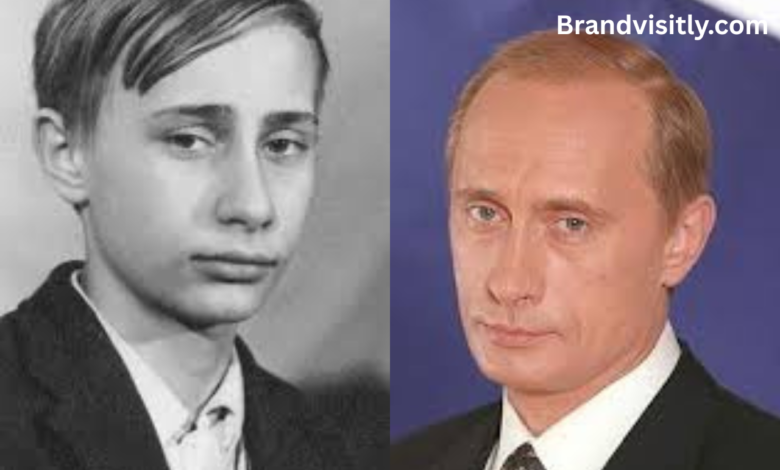
When people hear the name Vladimir Putin, they immediately think of power, politics, Russia, and global influence. However, before he became one of the most recognized leaders in modern history, there was a very different version of him — a quiet, determined, disciplined young man growing up in the harsh environment of post-war Soviet Russia. The story of young Putin is not only about politics; it is also about survival, ambition, intelligence, and the experiences that shaped his worldview long before he entered the Kremlin.
For decades, historians, journalists, and political experts have studied Putin’s youth to understand how a boy from the streets of Leningrad transformed into the dominant political figure of modern Russia. His childhood, family struggles, education, martial arts training, and KGB career all played important roles in shaping his personality and leadership style. Unlike many public figures who built their fame through entertainment or media attention, Putin rose quietly through discipline, strategy, and loyalty to the Soviet state.
Even today, interest in “Young Putin” continues to grow online. Vintage photographs, old interviews, and stories from his early years regularly appear across social media platforms and documentaries. Many people are curious about the mindset, values, and experiences that helped create one of the world’s most influential and controversial leaders. His journey reflects not only his personal ambition but also the dramatic transformation of Russia itself during the collapse of the Soviet Union and the rise of modern Russian politics.
Quick Facts About Young Vladimir Putin
| Fact | Details |
|---|---|
| Full Name | Vladimir Vladimirovich Putin |
| Known As | Young Putin |
| Date of Birth | October 7, 1952 |
| Age | 73 Years Old (as of 2026) |
| Birthplace | Leningrad, Soviet Union |
| Current City | Moscow, Russia |
| Nationality | Russian |
| Profession | Politician, Former KGB Officer |
| Education | Leningrad State University |
| Degree | Law |
| Parents | Vladimir Spiridonovich Putin and Maria Ivanovna Putina |
| Siblings | Two older brothers (deceased) |
| Famous For | President of Russia |
| Languages | Russian, German |
| Hobbies | Judo, Hockey, Swimming |
| Marital Status | Divorced |
| Ex-Spouse | Lyudmila Putina |
| Children | Two daughters |
| Estimated Net Worth | Widely debated publicly |
| No official account | |
| Twitter/X | No official personal account |
| Not publicly active |
Early Life and Childhood of Young Putin


Vladimir Putin was born on October 7, 1952, in Leningrad, which is now known as Saint Petersburg. His childhood came during one of the most difficult periods in Soviet history. The city had suffered terrible destruction during World War II, and many families struggled with poverty, food shortages, and overcrowded housing. Putin’s parents survived the horrifying Siege of Leningrad, an event that deeply affected millions of Soviet citizens and left emotional scars on an entire generation.
Young Putin grew up in a communal apartment shared with several families. Life in those conditions was extremely challenging, especially for children. Reports about his early years describe him as energetic, tough, and highly competitive. He often spent time in the courtyards and streets of Leningrad, where children learned to defend themselves physically and emotionally. According to several biographical studies, these harsh surroundings taught Putin the importance of strength, resilience, and discipline at an early age.
His family background also influenced him greatly. Putin’s father served in the Soviet military during World War II and suffered severe injuries during combat. His mother worked hard to support the family despite economic struggles. The deaths of Putin’s two older brothers before his birth created an atmosphere of seriousness and emotional caution within the family. Growing up in this environment helped shape Putin’s quiet personality, strong sense of survival, and deep connection to Russian patriotism.
Education and Academic Journey
Young Putin attended local schools in Leningrad and gradually became more focused on academics as he matured. During his teenage years, he developed a strong interest in law, politics, history, and foreign affairs. Teachers reportedly noticed that although he was not always the most expressive student, he was highly disciplined and determined when he set goals for himself. His education became one of the first major steps toward a future in government service.
One of the most important parts of his youth was his dedication to martial arts. At the age of around 12, Putin began practicing sambo and judo. These sports became central to his personal development because they taught him patience, control, confidence, and self-discipline. Putin later spoke publicly about how martial arts helped him avoid trouble and gave him direction during his younger years. Even decades later, judo remained an important part of his public image and leadership identity.
In 1970, Putin entered Leningrad State University to study law. This was a major achievement for a young man from a modest Soviet background. While studying there, he became increasingly interested in state systems and international relations. University life also introduced him to influential figures, including Anatoly Sobchak, who later became a major political mentor. His academic years played a crucial role in preparing him for intelligence work and future political leadership.
Young Putin’s Dream of Joining the KGB


From a young age, Putin reportedly admired Soviet intelligence officers and spy stories. He became fascinated with the idea of serving the state through intelligence and national security work. According to multiple accounts, he was deeply inspired by Soviet patriotic culture and saw intelligence service as a respected and powerful profession. Unlike many children who dreamed of fame or wealth, young Putin dreamed of becoming part of the Soviet security system.
After graduating from university in 1975, Putin officially joined the KGB, the Soviet Union’s intelligence agency. This was one of the biggest turning points in his life. His training focused on discipline, secrecy, foreign intelligence, and political loyalty. Unlike public political careers, KGB work required agents to remain quiet, observant, and emotionally controlled. These traits later became defining characteristics of Putin’s leadership style.
During the 1980s, Putin served in Dresden, East Germany, where he worked as a KGB officer during the Cold War. His years in East Germany exposed him to global political tensions and the eventual collapse of communist governments across Europe. Many political experts believe these experiences strongly influenced Putin’s later views about national stability, Western influence, and state authority. Watching the Soviet Union weaken left a deep impression on him emotionally and politically.
Personality, Discipline, and Leadership Traits
People who knew young Putin often described him as calm, reserved, intelligent, and highly strategic. Unlike charismatic public personalities who enjoyed attention, Putin preferred careful observation and controlled communication. He developed a habit of staying emotionally guarded, which later became a major feature of his public image as Russia’s leader. Even during his youth, he reportedly valued loyalty and discipline above popularity.
Martial arts continued to shape his personality throughout adulthood. Judo especially influenced his philosophy about patience, balance, and tactical thinking. Putin frequently connected sports discipline with leadership discipline, emphasizing the importance of self-control and mental toughness. Many observers believe his martial arts background contributed to his image as a strong and determined political figure.
Another important trait that developed early in Putin’s life was adaptability. Growing up during difficult economic conditions and later witnessing the collapse of the Soviet Union taught him how quickly political systems could change. This experience may explain why stability and centralized authority became major priorities during his presidency. His early life convinced him that weakness and disorder could lead to national collapse.
From Intelligence Officer to Political Leader
After returning from East Germany in 1990, Putin began working at Leningrad State University and later joined the administration of Anatoly Sobchak, who became mayor of Saint Petersburg. This period marked the beginning of his political journey. Unlike many ambitious politicians who seek media attention early, Putin worked quietly behind the scenes building connections and administrative experience.
Throughout the 1990s, Russia experienced major political and economic instability after the collapse of the Soviet Union. During this chaotic period, Putin gradually rose through government ranks in Moscow. His reputation for efficiency, loyalty, and organizational discipline helped him gain trust among powerful political figures. In 1998, he became head of the Federal Security Service (FSB), the organization that succeeded parts of the KGB.
In 1999, Russian President Boris Yeltsin appointed Putin as prime minister. Soon afterward, Yeltsin unexpectedly resigned, making Putin acting president of Russia. Many people outside Russia barely knew who he was at the time. However, his strong leadership image, intelligence background, and promises of restoring stability quickly increased his popularity. Within a short period, the once-unknown former KGB officer became the most powerful man in Russia.
Family Life and Personal Relationships
Despite being one of the world’s most visible leaders, Putin has always kept much of his private life hidden from public view. He married Lyudmila Putina in 1983, and the couple had two daughters together. Their relationship remained mostly private during his early political years because Russian political culture traditionally separated family matters from public leadership.
Putin’s daughters were reportedly educated carefully and protected from media attention. Over the years, very little official information has been shared publicly about his family. This secrecy reflects Putin’s broader approach to privacy and security. He has consistently avoided exposing his personal life to intense public discussion compared to many modern world leaders.
Outside politics, Putin enjoys sports, hockey, fitness training, and outdoor activities such as fishing and horseback riding. Russian media often highlights these hobbies as part of his image as an energetic and physically strong leader. Many supporters see these activities as symbols of discipline and masculinity, while critics argue they are carefully managed public relations strategies. Regardless of opinion, his athletic lifestyle has remained central to his public identity for many years.
Net Worth, Wealth, and Public Debate
Vladimir Putin’s net worth has been the subject of intense speculation for decades. Official financial disclosures from the Russian government present relatively modest numbers compared to the enormous wealth often associated with powerful global leaders. However, critics, journalists, and political investigators have frequently questioned whether his actual wealth is much larger than publicly reported.
Discussions about Putin’s finances often involve allegations about luxury properties, hidden assets, and connections to wealthy Russian businessmen. Supporters argue that many Western reports exaggerate or politicize these claims. Since reliable independent verification is extremely difficult, the true size of Putin’s personal fortune remains widely debated across international media and political circles.
Regardless of the uncertainty surrounding his finances, there is no doubt that Putin possesses enormous political influence and access to state resources. His long period in power has made him one of the most influential leaders of the 21st century. Discussions about his wealth are often connected to larger debates about power, governance, corruption, and political control in modern Russia.
Young Putin’s Influence on Modern Russian Politics


Young Putin’s experiences continue to influence the way analysts understand modern Russian politics. His childhood in post-war Leningrad, his KGB background, and his observations during the Soviet collapse all shaped the priorities he later brought into government. Stability, state authority, nationalism, and strategic power became central themes throughout his presidency.
Many supporters credit Putin with restoring Russian confidence after the difficult economic years of the 1990s. They believe his leadership helped strengthen Russia’s international position and rebuild national pride. Critics, however, argue that his government reduced political freedoms and increased centralized control. Because of these opposing viewpoints, Putin remains one of the most debated political figures in the modern world.
Interestingly, “Young Putin” has also become a cultural topic online. Vintage photographs and videos of him frequently appear on TikTok, YouTube, Reddit, and Instagram. Some users admire his transformation from a young Soviet citizen into a world leader, while others use those images for political commentary or internet humor. This unusual combination of politics and internet culture keeps public fascination with his younger years alive.
Conclusion
The story of young Putin is far more than the biography of a political leader. It is the story of a boy shaped by war memories, economic hardship, Soviet ideology, discipline, and ambition. From crowded communal apartments in Leningrad to the secret world of Soviet intelligence and eventually the Kremlin, Putin’s journey reflects both personal determination and the dramatic transformation of Russia during the late 20th century.
His life continues to inspire curiosity because it combines mystery, power, resilience, and controversy. Supporters view him as a symbol of Russian strength and stability, while critics see him as a leader who centralized power too heavily. Yet regardless of political opinion, few people can deny his extraordinary impact on global politics and modern history.
As young Putin’s story continues to be explored through documentaries, books, journalism, and online discussions, it remains a powerful reminder that early experiences often shape future leaders in profound ways. His rise from an ordinary Soviet childhood to international political dominance shows how discipline, strategy, and determination can influence not only one person’s destiny but also the direction of an entire nation.